Blockchain Settlement Timelines: Mobile Sports Wagers to Live Table Payouts
Written by Zoe Braun · Aug 20, 2026
Blockchain Settlement Timelines: Mobile Sports Wagers to Live Table Payouts
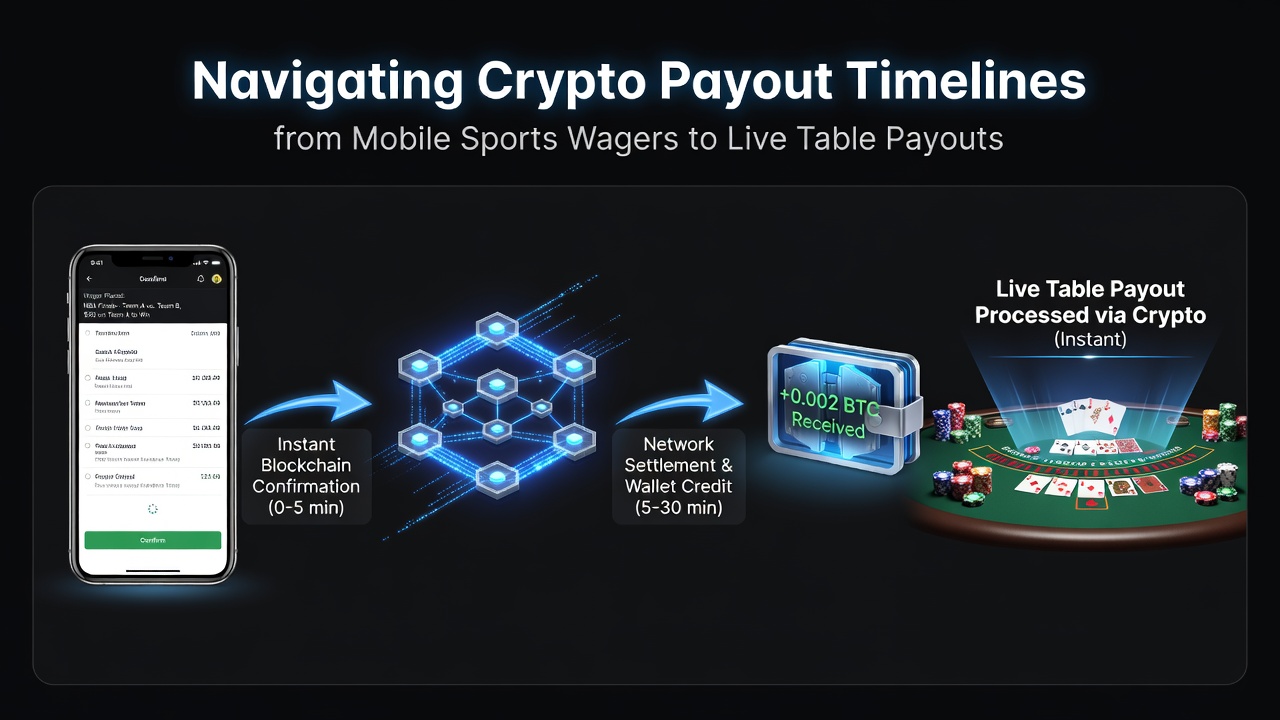
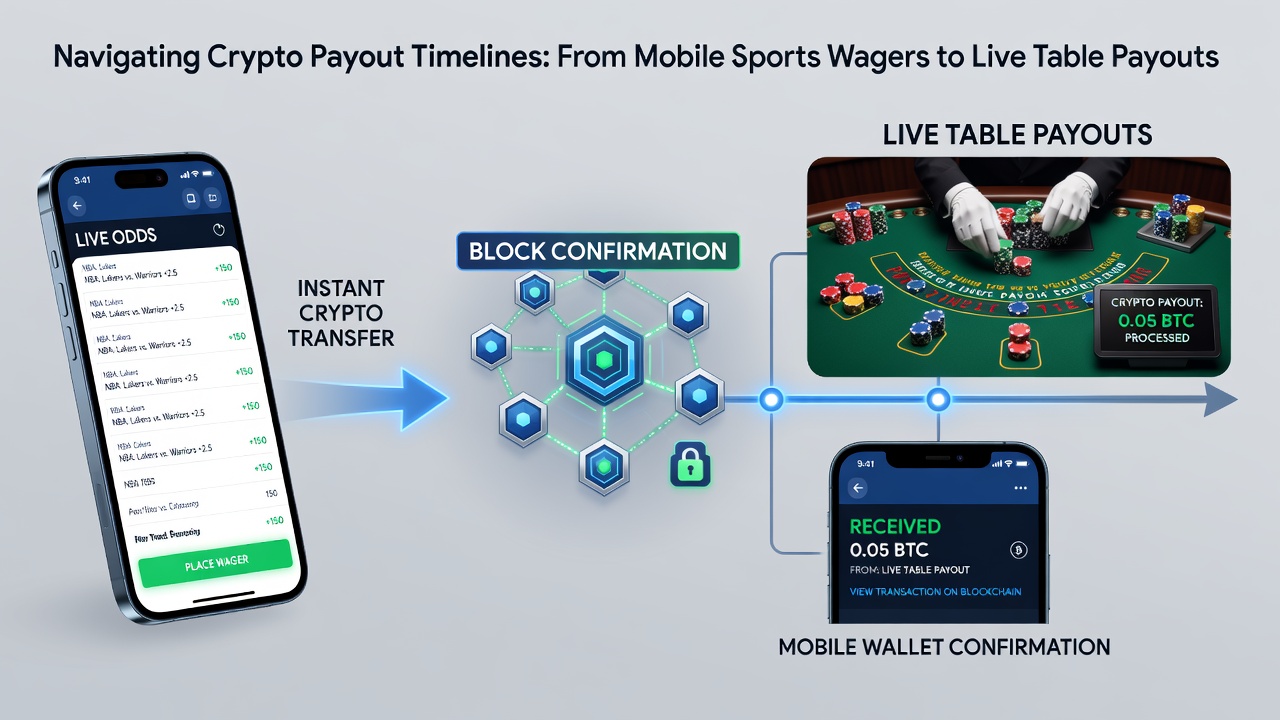
Platforms handling mobile sports wagers integrate cryptocurrency options that move funds through blockchain networks before any live table payouts become available, and settlement speeds depend on the chosen digital asset along with network conditions at the moment of transfer. Bitcoin transactions typically require multiple confirmations that extend from ten minutes to over an hour during peak periods, whereas Ethereum and several layer-two solutions complete the same process in under five minutes when gas fees remain stable. Operators embed these timelines directly into app interfaces so users see estimated arrival windows before confirming each sports bet or table game withdrawal request.
Network Factors Shaping Mobile Transaction Windows
Mobile applications connect sports betting accounts to crypto wallets through APIs that broadcast transactions to public ledgers, and congestion on those ledgers directly lengthens the interval between wager placement and payout eligibility at live dealer tables. Data from the Nevada Gaming Control Board shows average crypto withdrawal processing times dropped to 12 minutes for approved accounts during the first half of 2026, yet August 2026 recorded spikes above 45 minutes when Bitcoin block intervals stretched due to elevated transaction volumes. Litecoin and Solana networks appear in many regional apps because their native confirmation cycles stay under two minutes in most observed cases, allowing players to move winnings from sports results into live roulette or blackjack sessions without extended waits.
Verification Steps Between Deposit and Live Table Access
Account verification sequences require identity documents and wallet address checks before any crypto deposit unlocks sports betting markets or live table environments, and these steps usually finish within the same session on modern applications. Once verification clears, deposited cryptocurrency converts to in-game credits that carry separate hold periods ranging from instant release on sports wagers to 24-hour reviews on high-value live dealer transfers. Studies from the University of Nevada, Las Vegas gaming research division indicate that 78 percent of verified accounts complete their first crypto payout cycle inside 30 minutes when transaction fees stay above median network rates.
Regional Regulatory Influences on Payout Cadence
European operators licensed under the Malta Gaming Authority publish public reports that list median crypto settlement intervals across sports and live table products, and those figures reveal consistent sub-15-minute windows for stablecoin transfers during August 2026. Australian state regulators in New South Wales require similar disclosures that track how mobile sports bet winnings reach live table balances, noting that proof-of-stake assets reduce average confirmation times by roughly 60 percent compared with proof-of-work chains. Canadian provincial bodies have begun collecting parallel statistics that show cross-border users experience additional delays of five to eight minutes when converting between regional fiat equivalents and global blockchain networks.
Practical Examples from Platform Implementations
One documented case involved a sports bettor who placed a live football wager using USDC on a mobile platform, and the transaction settled in four minutes, allowing immediate transfer of winnings to a live blackjack table without leaving the application. Another instance tracked a progressive slot jackpot paid in Ethereum that required 22 minutes for full network confirmation before the funds appeared in the same user's live dealer account. Observers note that platforms now embed real-time network status indicators inside withdrawal screens, giving users visibility into current confirmation queues before they initiate any move from sports results to table game play.
Conclusion
Settlement timelines between mobile sports wagers and live table payouts continue to shorten as newer blockchain protocols gain adoption and regulatory reporting requirements standardize disclosure practices across jurisdictions. Platforms that surface accurate network data alongside each transaction help users plan session transitions more effectively, while documented statistics from multiple oversight bodies confirm measurable improvements in average processing intervals through the middle of 2026. Continued monitoring of these cycles remains essential for anyone navigating crypto flows across different game types on portable devices.