Charting Interlinked Reward Pathways Across Smartphone-Based Entertainment Networks
Written by Finley Vogel · Jun 6, 2026
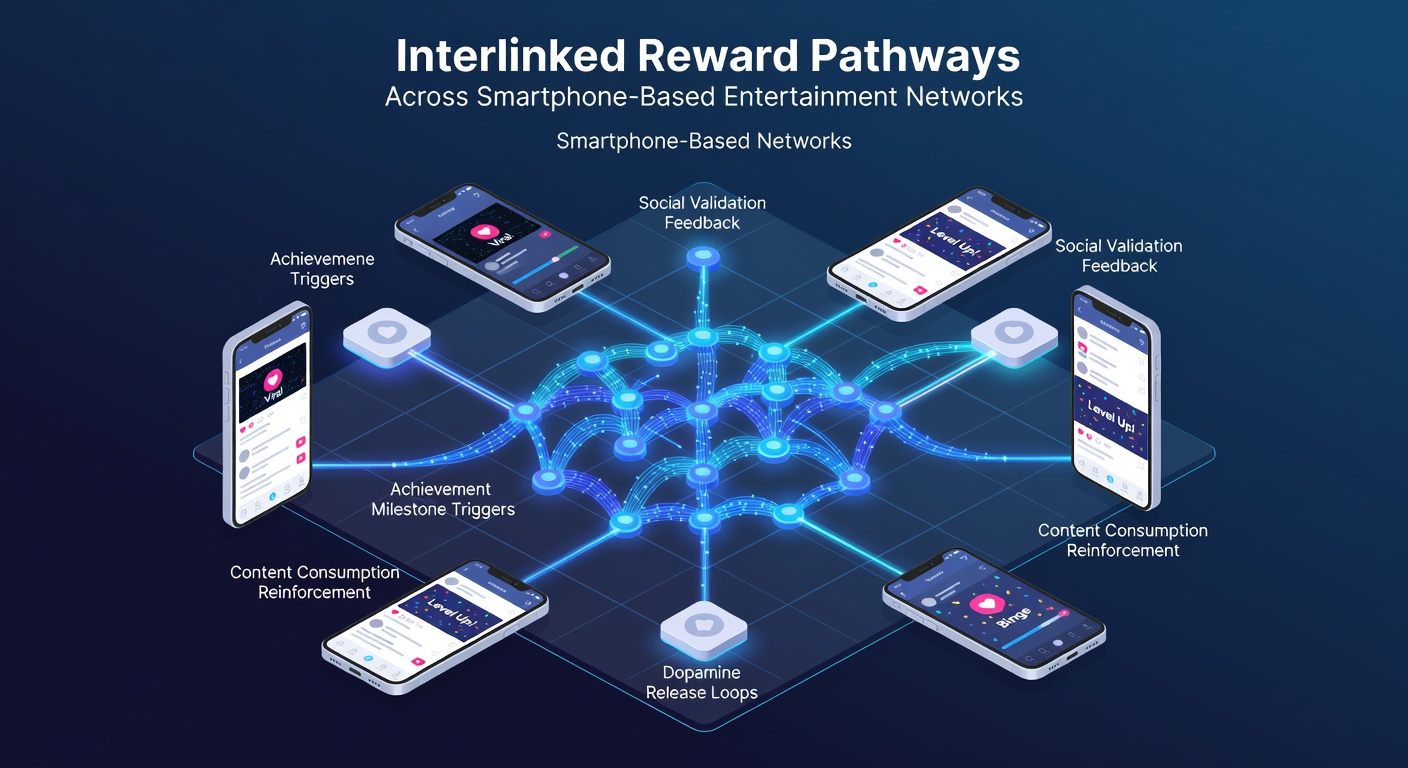
Charting Interlinked Reward Pathways Across Smartphone-Based Entertainment Networks
Smartphone-based entertainment networks have developed complex systems where reward pathways connect across multiple applications and game types, allowing users to accumulate and transfer incentives through structured digital mechanisms. These networks operate by linking sign-up bonuses, in-game achievements, and loyalty tiers so that progress in one area influences opportunities in others, creating flows that researchers track through user data analytics and platform reporting.
Core Components of Interlinked Systems
Platforms integrate points systems that convert between formats, such as turning slot session rewards into credits for live dealer tables or sports betting markets, while external partnerships extend these connections to streaming services or social features. Data from industry reports indicates that these linkages rely on centralized user accounts managed by operators who synchronize balances in real time, reducing friction and encouraging continued engagement across categories like progressive jackpots and table game variants.
Observers note that verification processes play a central role because identity checks completed during initial setup carry forward to unlock higher reward tiers, which then apply automatically when users switch between mobile applications. This structure supports multi-game participation without repeated administrative steps, and companies have refined the pathways since early implementations to handle larger transaction volumes efficiently.
Technology Enabling Cross-Network Flows
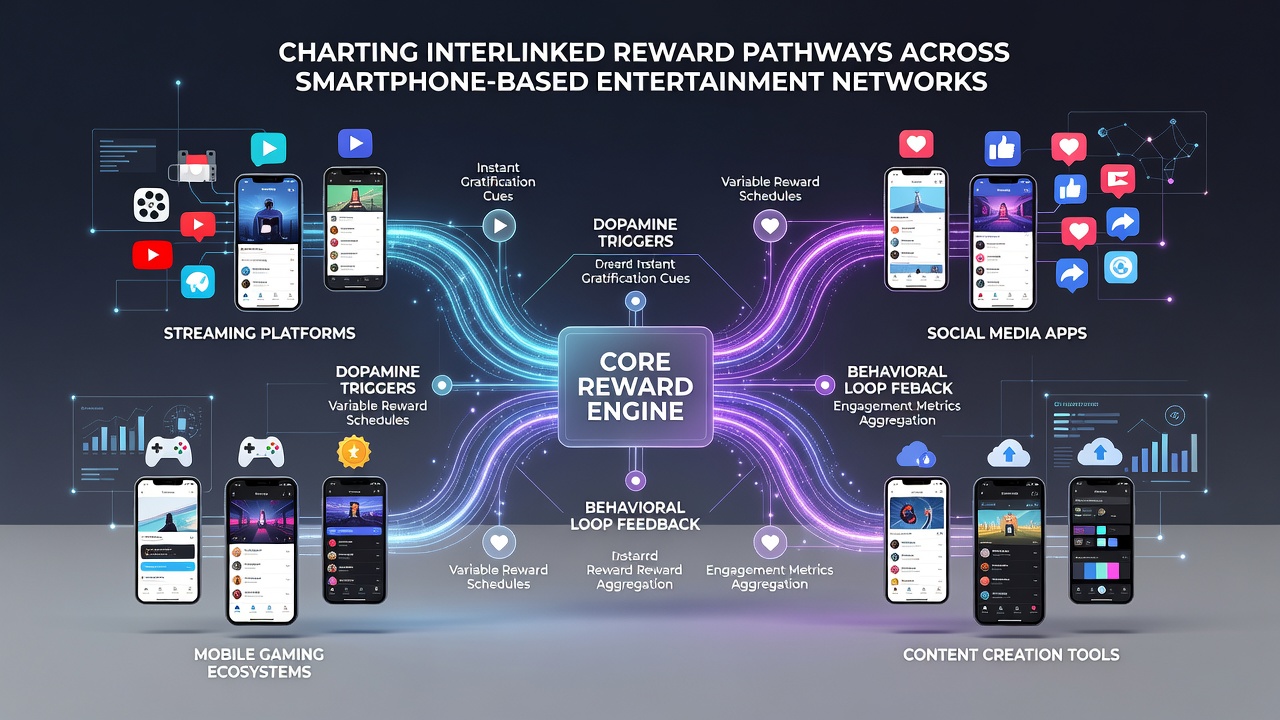
Cloud-based ledgers and application programming interfaces allow seamless data exchange between entertainment apps, so a bonus earned during a morning commute session can appear as available funds in an evening table game. Developers incorporate blockchain elements in select networks to log these transfers transparently, although most systems continue to use proprietary databases that prioritize speed and security compliance. Studies have shown that such integrations increase average session lengths because users pursue chained objectives rather than isolated goals within single titles.
Regional Developments and June 2026 Context
Regulatory updates scheduled for June 2026 in several jurisdictions require operators to disclose how reward pathways intersect with responsible gaming tools, prompting platforms to add clearer tracking dashboards that display total incentives earned across networks. According to figures from the American Gaming Association, mobile segments account for growing portions of overall activity, and these disclosures aim to maintain transparency while preserving the operational advantages of interlinked designs. In parallel markets such as parts of Asia and Australia, similar reporting standards have already shaped how cross-app bonuses are presented to users.
One analysis of platform metrics revealed that networks incorporating shared progressive pools across devices see higher participation rates in linked promotions, because users can monitor accumulating jackpots from any connected application. These pools draw from multiple game categories simultaneously, distributing contributions through automated calculations that adjust based on real-time play volume.
Measurement and Reporting Practices
Analytics firms compile data on pathway efficiency by measuring conversion rates between different reward types and retention patterns following cross-network transfers. Reports from research institutions highlight that users who activate multiple linked features tend to maintain longer relationships with the platforms, although aggregate statistics vary by region due to differing legal frameworks. External sources such as the Canadian Gaming Association provide benchmarks that operators reference when optimizing their systems for compliance and performance.
Platforms continue to test new linkage methods, including temporary event-based multipliers that apply across several titles at once, and these experiments generate fresh datasets for refining the overall architecture of smartphone entertainment rewards.
Conclusion
The charting of interlinked reward pathways demonstrates how smartphone entertainment networks coordinate incentives through technical and operational linkages that span game types and user sessions. Continued evolution in these systems, shaped by regulatory timelines including June 2026 requirements, supports measurable engagement patterns while meeting standards for transparency and data handling across diverse markets.