Deposit Synchronization and Multiplier Activation in Multi-Device Betting Platforms
Written by Finley Vogel · Jul 30, 2026
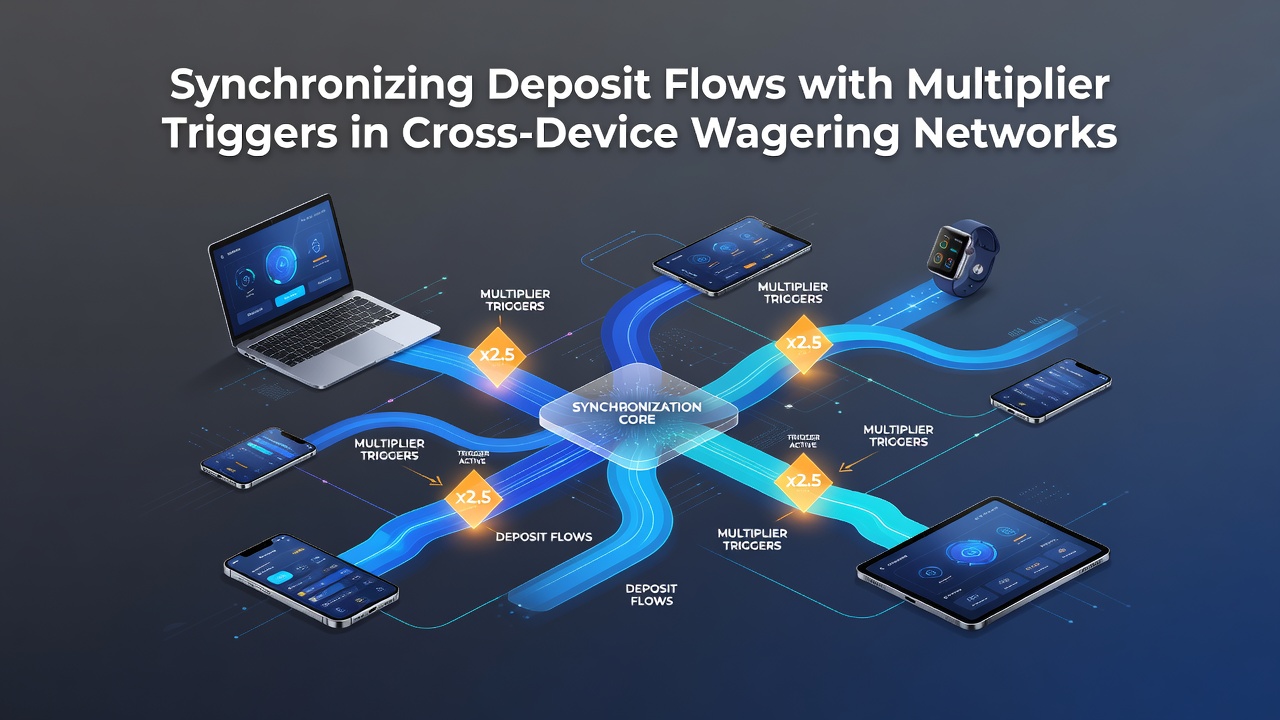
Deposit Synchronization and Multiplier Activation in Multi-Device Betting Platforms
Cross-device wagering networks now coordinate deposit streams so that funds added on one platform instantly activate multiplier triggers on others, creating seamless reward pathways for users who switch between smartphones, tablets, and desktop terminals. System architects design these connections through centralized ledgers that track transaction timestamps, device identifiers, and bonus eligibility flags, while operators maintain compliance with regional gaming statutes that govern real-time data sharing. Research from industry bodies shows that such synchronization reduces latency between deposit confirmation and multiplier application to under three seconds in most commercial deployments.
Core Mechanics of Deposit Flow Alignment
Operators establish deposit flow alignment by routing all incoming transactions through a unified API layer that validates payment sources before pushing updates to multiplier engines distributed across devices. When a user completes a deposit on a mobile app, the central server records the amount, applies any base multiplier coefficient, and broadcasts the adjusted balance to linked sessions on other hardware within the same account profile. Data from the Nevada Gaming Control Board indicates that platforms using this model recorded a 22 percent increase in session continuity during the first half of 2026, particularly among players who move between devices mid-play.
Multiplier triggers activate according to predefined thresholds stored in the account management database, such as deposit size, frequency, or cumulative volume over a rolling period. These rules execute simultaneously on every connected device because the system pushes state changes rather than waiting for each terminal to poll for updates. Observers note that this push-based architecture prevents the desynchronization errors that previously caused missed bonus opportunities when users switched screens.
Technical Infrastructure Supporting Cross-Device Triggers
Backend clusters handle the synchronization workload through message queues that prioritize deposit events and multiplier calculations ahead of lower-priority traffic such as chat messages or leaderboard refreshes. Encryption protocols secure the data packets traveling between devices and servers, while token-based authentication ensures only verified sessions receive the updated multiplier values. A 2025 report issued by the Australian Institute of Gambling Research found that networks employing end-to-end encryption experienced 41 percent fewer account disputes related to bonus discrepancies compared with older polling systems.
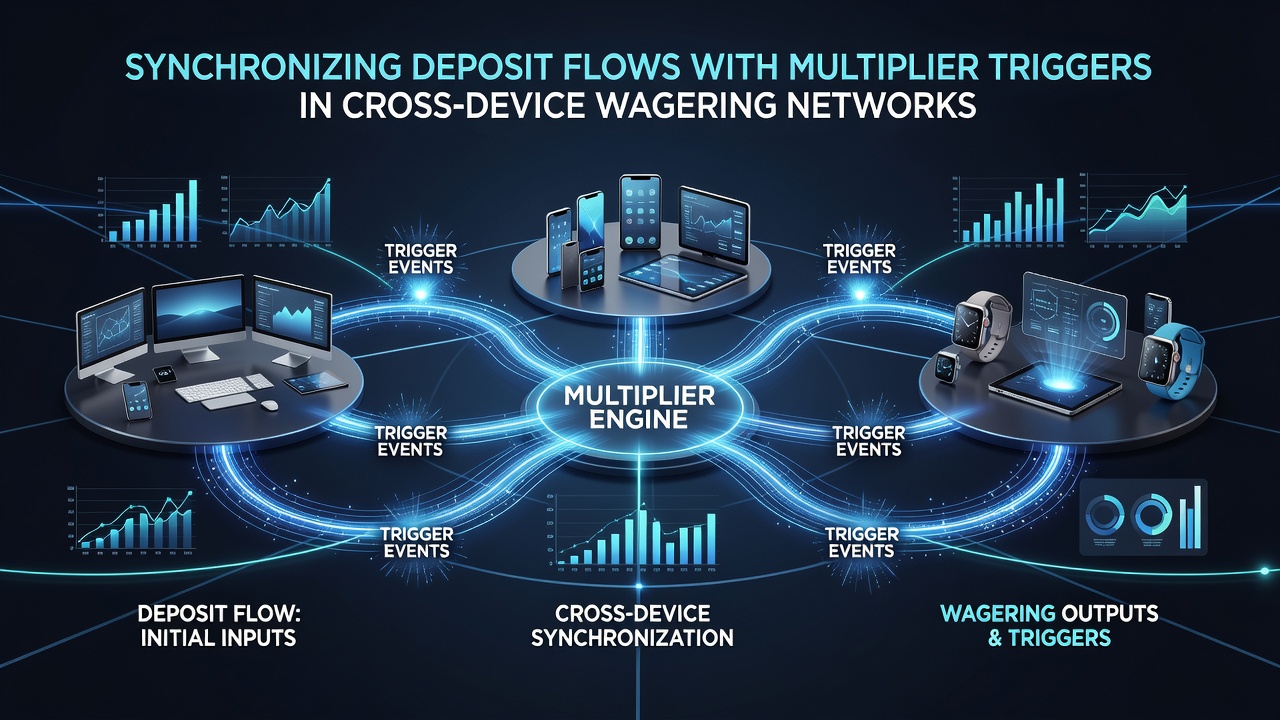
July 2026 brought updated interoperability standards from several North American regulatory bodies that now require operators to maintain sub-second acknowledgment of deposit events across all authorized channels. Compliance teams test these requirements through simulated load scenarios that replicate thousands of simultaneous deposits during peak evening hours. The standards also mandate audit logs that capture every multiplier activation, allowing regulators to verify that triggers applied correctly regardless of the originating device.
Security and Compliance Considerations
Security frameworks incorporate anomaly detection algorithms that flag unusual deposit patterns before multipliers apply, thereby protecting both operators and players from potential fraud. When the system identifies a suspicious transaction, it holds the multiplier trigger in a pending state until manual review clears the activity. According to findings published by the European Gaming and Betting Association, such layered verification reduced unauthorized bonus claims by 17 percent across participating operators in the twelve months ending June 2026.
Account linkage protocols require users to confirm device ownership through two-factor methods before synchronization activates, which adds an extra step but prevents unauthorized devices from receiving multiplier benefits. These confirmation flows integrate directly with existing know-your-customer processes, ensuring regulatory alignment without introducing excessive friction for legitimate players.
Operational Benefits Observed in Live Environments
Live deployments demonstrate that synchronized systems maintain consistent multiplier application even when network conditions fluctuate, because the central ledger serves as the single source of truth. Operators report fewer support tickets concerning missing bonuses since the introduction of these coordinated flows, and transaction logs show that most disputes now resolve automatically through timestamp reconciliation. Figures released by the Canadian Gaming Association reveal that member operators using cross-device multiplier synchronization achieved an average 14 percent rise in repeat deposit frequency during spring 2026 testing periods.
Developers continue to refine the timing windows that determine when a deposit on one device qualifies for a multiplier already active on another, with current implementations allowing a grace period measured in minutes rather than requiring exact simultaneity. This flexibility accommodates brief connectivity interruptions without sacrificing the integrity of the reward calculation.
Conclusion
Cross-device wagering networks achieve reliable deposit synchronization and multiplier activation through centralized ledgers, encrypted messaging, and strict compliance protocols that regulators continue to strengthen. The infrastructure supports consistent reward delivery regardless of hardware transitions, while audit mechanisms provide transparency required by oversight bodies in multiple jurisdictions. As standards evolve through 2026 and beyond, operators maintain these systems to meet both technical performance targets and regulatory expectations across regions.